Buy seabubbles.eu ?
We are moving the project
seabubbles.eu .
Are you interested in purchasing the domain
seabubbles.eu ?
domain@kv-gmbh.de · 0541-91531010
Buy seabubbles.eu ?
How do I connect a 24V, 150A alternator with 6 stator windings?
To connect a 24V, 150A alternator with 6 stator windings, you will need to first identify the wiring configuration of the stator windings. Once you have identified the wiring configuration, you can then connect the stator windings in either a star or delta configuration, depending on the specific requirements of your application. Additionally, you will need to ensure that the alternator is properly grounded and that the output voltage and current are within the specified limits for your system. It is important to consult the alternator's manual or a professional electrician to ensure the proper and safe connection of the alternator. **
Hello, why does the stator of an alternator have 3 cables and what are these 3 cables?
The stator of an alternator has 3 cables because it is a three-phase system. These three cables are connected to the three windings of the stator, which are spaced 120 degrees apart. This configuration allows for a more efficient generation of electricity and provides a smoother output of power compared to a single-phase system. The three cables carry the three-phase AC current produced by the stator to the rectifier, where it is converted into DC current for use in the vehicle's electrical system. **
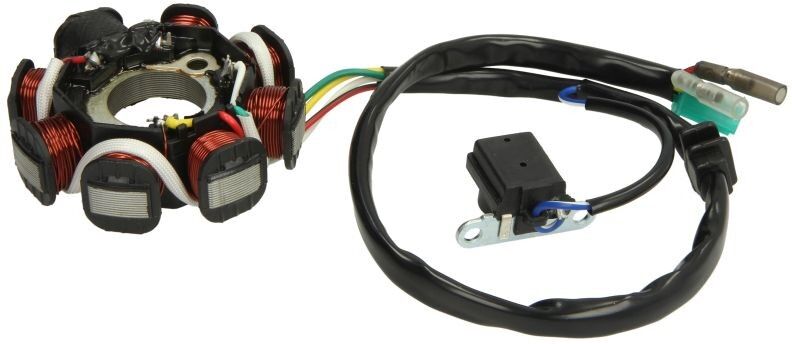
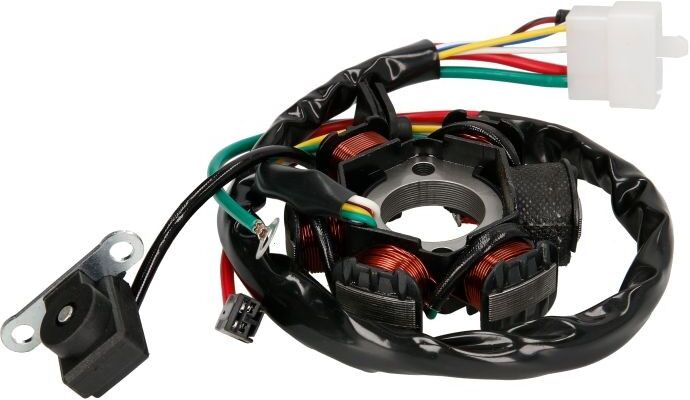
Similar search terms for INPARTS-IP000501-Stator-alternator
Top-Angebote
Products related to INPARTS-IP000501-Stator-alternator:
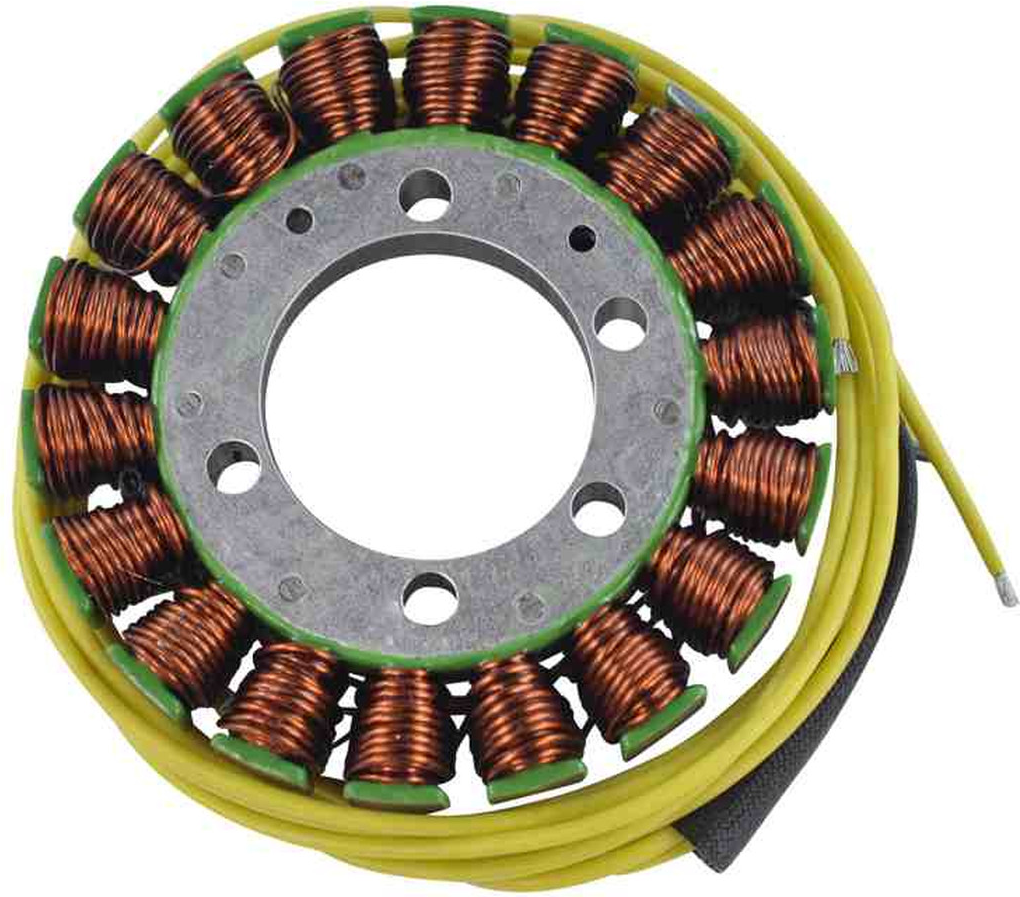
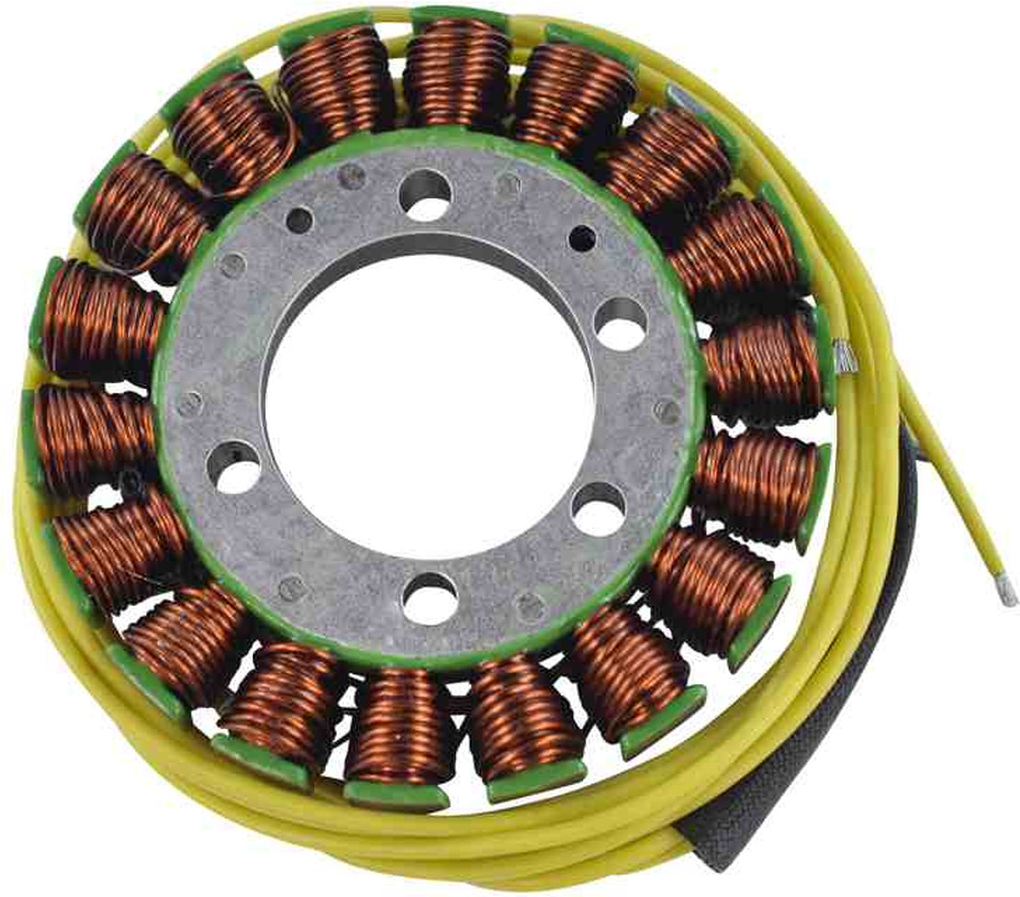
-
What is a stator coil in an electric motor?
A stator coil is a key component in an electric motor that is responsible for producing a magnetic field. It is typically made up of multiple coils of wire that are wound around the stator core. When an electric current is passed through the stator coil, it creates a magnetic field that interacts with the rotor to produce the rotational motion in the motor. The stator coil is a stationary part of the motor and is essential for the motor's operation. **
-
Do electric cars have an alternator?
No, electric cars do not have an alternator. Alternators are used in traditional gasoline-powered vehicles to generate electricity and recharge the battery while the engine is running. In electric cars, the battery is charged by plugging the vehicle into an external power source, such as a charging station or a wall outlet, rather than through an alternator. Electric cars use an onboard charger to convert AC power from the grid into DC power to charge the battery. **
-
How big is the stator to generate electricity?
The size of the stator to generate electricity can vary depending on the power output required. In general, the stator is typically larger in size for higher power generation applications. For small-scale applications such as residential wind turbines or hydroelectric generators, the stator can be relatively compact. However, for large-scale power plants or industrial generators, the stator can be quite large to accommodate the higher power output. **
-
Where are the stator and rotor located here?
In an electric motor, the stator is the stationary part of the motor and is typically located on the outer part of the motor housing. The rotor, on the other hand, is the rotating part of the motor and is located inside the stator. When the motor is powered, the stator creates a magnetic field that interacts with the rotor, causing it to rotate and generate mechanical energy. **

Is the alternator completely replaced by the electric motor in hybrid cars, or do they still have an alternator?
Hybrid cars still have an alternator in addition to the electric motor. The alternator is responsible for charging the 12-volt battery and providing power to the electrical components of the car when the engine is running. The electric motor in hybrid cars primarily assists the internal combustion engine and also acts as a generator to recharge the battery during braking or coasting. Therefore, both the alternator and electric motor play important roles in the power system of hybrid cars. **
What about the alternator?
The alternator is a crucial component of a vehicle's charging system. It is responsible for converting mechanical energy from the engine into electrical energy to power the vehicle's electrical systems and recharge the battery. If the alternator fails, the battery will not be recharged and the vehicle's electrical systems will not function properly. It is important to have the alternator inspected and maintained regularly to ensure the proper functioning of the vehicle. **
Top-Angebote
Products related to INPARTS-IP000501-Stator-alternator:
-
How do I connect a 24V, 150A alternator with 6 stator windings?
To connect a 24V, 150A alternator with 6 stator windings, you will need to first identify the wiring configuration of the stator windings. Once you have identified the wiring configuration, you can then connect the stator windings in either a star or delta configuration, depending on the specific requirements of your application. Additionally, you will need to ensure that the alternator is properly grounded and that the output voltage and current are within the specified limits for your system. It is important to consult the alternator's manual or a professional electrician to ensure the proper and safe connection of the alternator. **
-
Hello, why does the stator of an alternator have 3 cables and what are these 3 cables?
The stator of an alternator has 3 cables because it is a three-phase system. These three cables are connected to the three windings of the stator, which are spaced 120 degrees apart. This configuration allows for a more efficient generation of electricity and provides a smoother output of power compared to a single-phase system. The three cables carry the three-phase AC current produced by the stator to the rectifier, where it is converted into DC current for use in the vehicle's electrical system. **
-
What is a stator coil in an electric motor?
A stator coil is a key component in an electric motor that is responsible for producing a magnetic field. It is typically made up of multiple coils of wire that are wound around the stator core. When an electric current is passed through the stator coil, it creates a magnetic field that interacts with the rotor to produce the rotational motion in the motor. The stator coil is a stationary part of the motor and is essential for the motor's operation. **
-
Do electric cars have an alternator?
No, electric cars do not have an alternator. Alternators are used in traditional gasoline-powered vehicles to generate electricity and recharge the battery while the engine is running. In electric cars, the battery is charged by plugging the vehicle into an external power source, such as a charging station or a wall outlet, rather than through an alternator. Electric cars use an onboard charger to convert AC power from the grid into DC power to charge the battery. **
Similar search terms for INPARTS-IP000501-Stator-alternator
-
How big is the stator to generate electricity?
The size of the stator to generate electricity can vary depending on the power output required. In general, the stator is typically larger in size for higher power generation applications. For small-scale applications such as residential wind turbines or hydroelectric generators, the stator can be relatively compact. However, for large-scale power plants or industrial generators, the stator can be quite large to accommodate the higher power output. **
-
Where are the stator and rotor located here?
In an electric motor, the stator is the stationary part of the motor and is typically located on the outer part of the motor housing. The rotor, on the other hand, is the rotating part of the motor and is located inside the stator. When the motor is powered, the stator creates a magnetic field that interacts with the rotor, causing it to rotate and generate mechanical energy. **
-
Is the alternator completely replaced by the electric motor in hybrid cars, or do they still have an alternator?
Hybrid cars still have an alternator in addition to the electric motor. The alternator is responsible for charging the 12-volt battery and providing power to the electrical components of the car when the engine is running. The electric motor in hybrid cars primarily assists the internal combustion engine and also acts as a generator to recharge the battery during braking or coasting. Therefore, both the alternator and electric motor play important roles in the power system of hybrid cars. **
-
What about the alternator?
The alternator is a crucial component of a vehicle's charging system. It is responsible for converting mechanical energy from the engine into electrical energy to power the vehicle's electrical systems and recharge the battery. If the alternator fails, the battery will not be recharged and the vehicle's electrical systems will not function properly. It is important to have the alternator inspected and maintained regularly to ensure the proper functioning of the vehicle. **
* All prices are inclusive of VAT and, if applicable, plus shipping costs. The offer information is based on the details provided by the respective shop and is updated through automated processes. Real-time updates do not occur, so deviations can occur in individual cases. ** Note: Parts of this content were created by AI.